
We acquired our first nearly one year old alpacas already sheared from a farm not too far from here. That was good. However I did not know yet that it was good. Maybe the first thought was “we could have done with the fine first fleeces” of that group of animals. The lovely super soft, fine fleece that you’ll never get again. Ever. That was early summer 2016. I still didn’t know that I was far from making use of my huge alpaca fleeces.
One year after, early in the spring of 2017, we took the phone in our hands dug out the paperwork we got with our animals the year before and called through the list of contacts of shearers in the area, some work national or internationally. The list was as long as three numbers!! Lots of prestige there. But we only had three boys. So none was interested in travelling just for a few pounds.
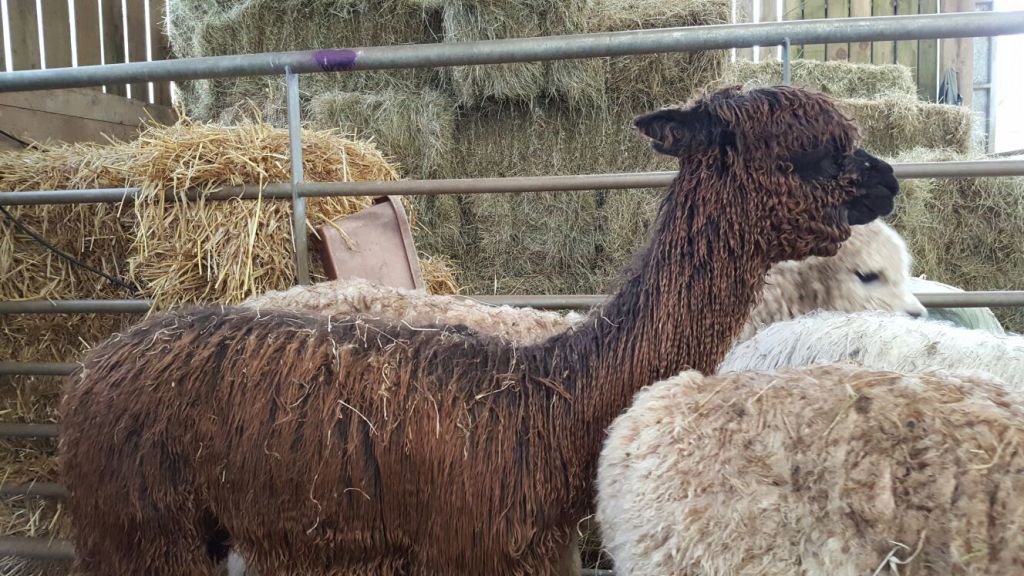
Towards the end of spring, we convinced a lady, not quite local, but in the area, to come and do the job for us. The process was not like anything you had expected. Alpacas produce wool, as sheep do, but the “taking it off the animal” process is another story. The shearer brought a relative to help her. (“Hm, she’s got help!”). They got some ropes out. They found some posts to tie the ropes to and a matt to pad the ground. Then she said: “Have you seen alpacas being shorn before? It is a bit alarming”.
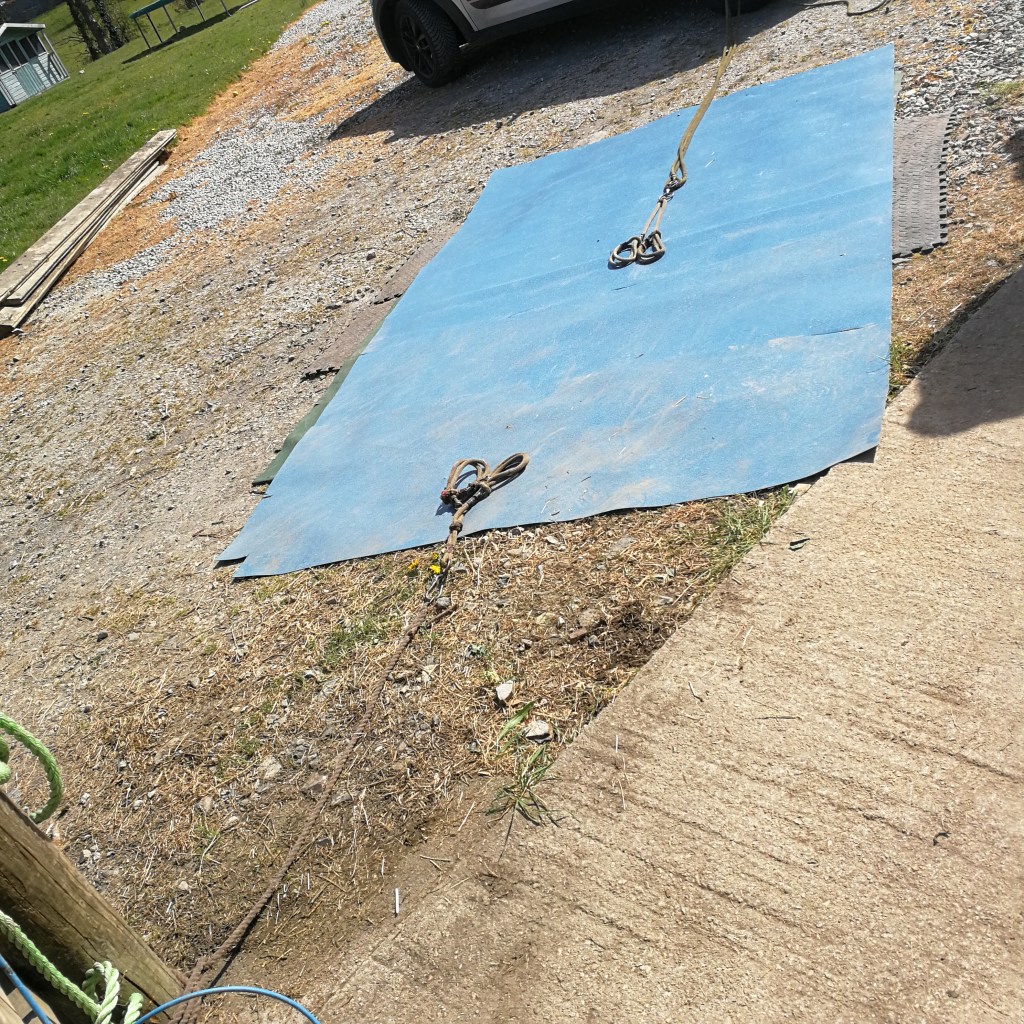
It was indeed. After those words, my stress levels rose high and my conscience was at least challenged by the view. I can see why she warned us. I can see what she meant. My adrenaline was high throughout the whole process, I could not stop checking the animals were alright. It must have been the screaming, or the spitting or all together… Actually I was the only one suffering. The alpacas were perfectly alright. I have to say the fleeces were pretty good too. The way alpacas are shorn was something very unexpected.
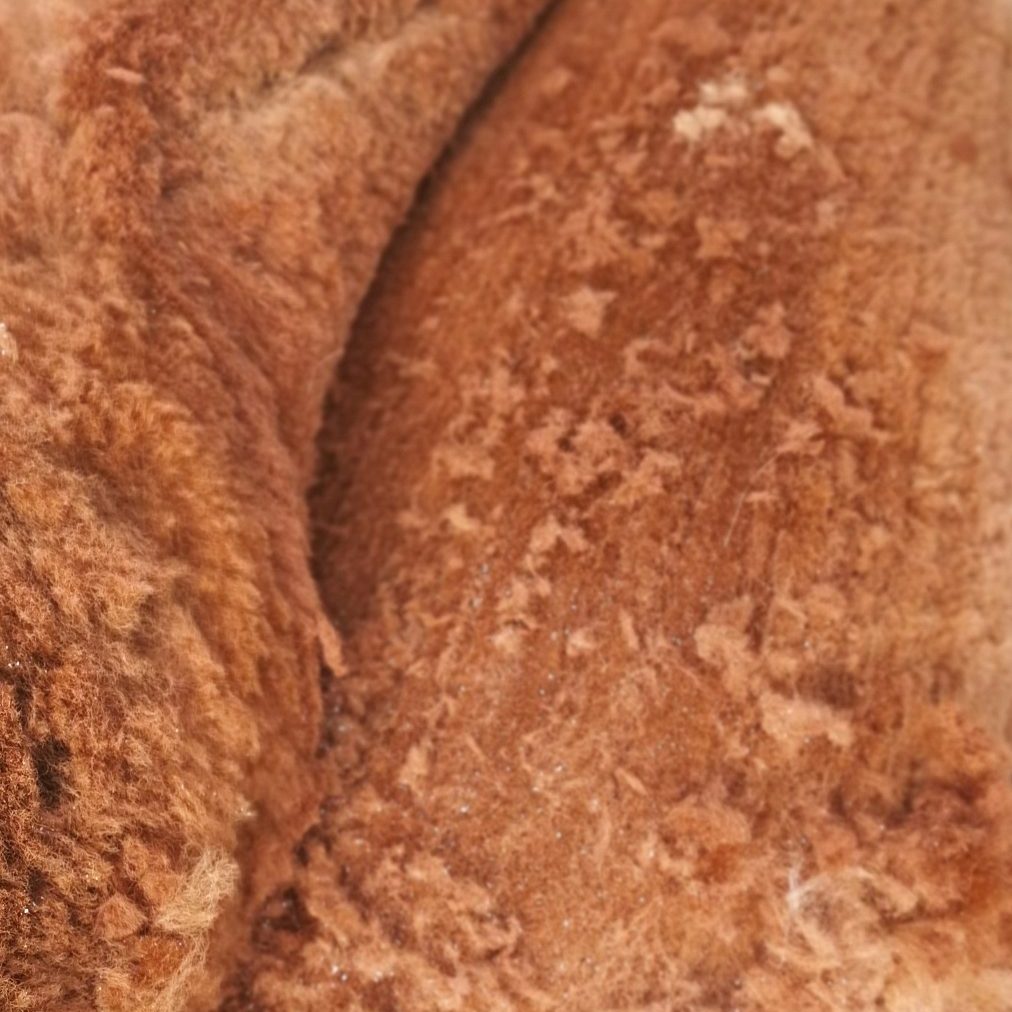
We contacted the same shearer the year after. 2018. Pregnancy was against us this time. We called someone else, that was away on the other side of the world. We agreed to her dad and bro, experienced sheep shearers, to do the job. They were quick though. The fleeces on the ground, little preparation this time. The result was very filthy, producing an inferior quality fleece, and full of dirt. However the animals looked pretty awesome. The process was quite smooth.
2019. Us. Two lonely learners facing the eight beasts of cuddly wool. We found ourselves forced to grab some shears and shear our animals. We could not find anyone to do it. Again! Coming to the middle of the summer, no one available. The heat was intense and the alpacas breathing was really fast under the winter jumpers. I asked friends, locals, other farms and their farmers. The weather is too hot. The summer is passing its equator, it needed doing quickly.
We ordered some Chinese machine online, eBay special. I think the literal translation from Cantonese was “do not buy me”. But the burden of not knowing more languages -and obviously not knowing how to shear- cost us some money, many combs and cutters, lots of patience, and nearly some fingers. Shearing an animal went from minutes to nearly an eternity. I sweated buckets (If I thought the very first shearing experience was traumatic…!).
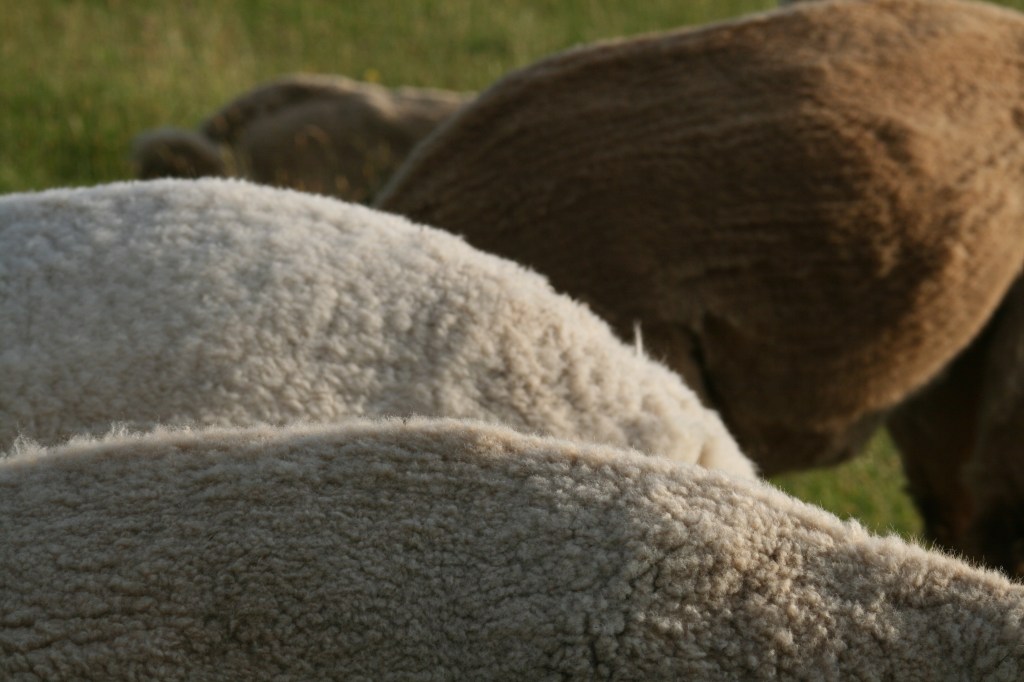
It was a very stressful time, having a lethal tool in our hands and no guidance or experience. We set it up nicely, we did one or two per day. We decided to spare Saphira’s neck. Esme and Aramis, we didn’t even try. Last animal shorn was Milady. We did this fleece with hand shears. She stood lovingly quiet through out the process. Not a hum while Thomas with all the care in the world avoided the excess of wool that fed the maggots some weeks before. Thomas saved her once. Wet patch over the hind legs. We caught her and cut the fleece around the area, picked all the maggots we could find, washed with disinfectant preparation and sprayed. We won’t let it happen again.
It is a bit long to explain that cutting my finger with the machine was due to Thomas being left handed. Or me being right handed. The thing is that we were put off the process altogether. Thomas felt guilty I think. But it wasn’t really his fault. I had to go to work explaining once and again to everyone that it was not my intention to offend by sticking that finger out. After a few days I decided that maybe I should have gone to A&E earlier. The nurse said I did a good job. You can’t see a mark today. But it will forever ache every time I grab my guitar.
2020, the viruses do not understand of herd needs. Shearing had to be done again. After further discussion following previous year’s events, we decided to delegate the task, with a plan B in hand if it didn’t happen. We consider ourselves so lucky we found *Arl. Shearing was enjoyable. I know it has to do with us understanding the process now. It is a shame that it took so long to get this part of the process right. So come 2021, we called him again. We had a beautiful sunny shearing day before the change of weather swished in. We learnt more than expected, Thomas had some tuition. We intend to do it ourselves next year.

Shearing is probably the most crucial and stressful time of breeding alpacas. It is when you harvest your produce. If it is not done right, you have wasted the whole year. The animal needs it, you need it. That is what you get back from the alpaca and why you breed it. Some do not give it away without a fight.
The thing with Arl is that he looks at the animals in a different way than any of the other shearers we encountered before. And many of the alpaca owners. He observes the fleeces, he talks about each animal personalities or behaviours, he does not hide when he finds an outstanding animal. He asks for their names. And he takes some pictures of some of them. The conversation is nice during the breaks. He carries with him many alpaca stories, from the Andes to here. He first met these so special animals from the hand of the shepherds that had bred them for centuries in their natural landscapes, whose relationship with nature has a strange level of mutual respect that we still do not understand in the side of the globe where I am sitting now. Some insist on calling them “pets”. Far from that, and enchanting and cute as they may look, they are only loyal to their own group. Just obviously heavily reliant on humans for survival outside their natural environment.
 Kestle Alpacas