
Today’s blog is a bit different from any previous one. However, I hope some alpaca owners can learn something from it.
After my last blog, someone asked me why I check the eyes of my alpacas. Checking the eyes is an essential part of their overall health monitoring and care routine, as it allows early detection of health issues. Monitoring the eyes provides valuable insights into the alpaca’s well-being. Subscribe to get the next case study following soon. In the meantime, here are the main five issues you can detect by looking into their beautiful eyes:
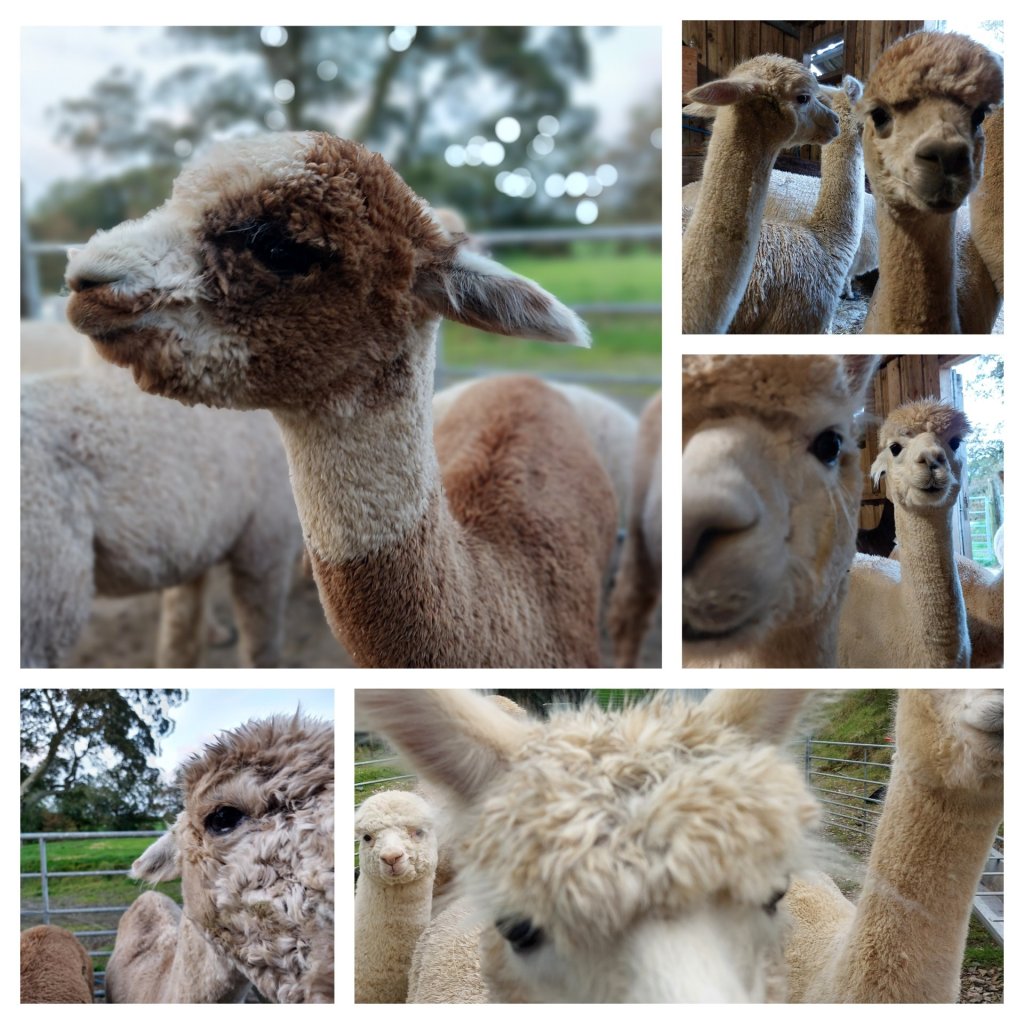
1. Eye infections can be contagious among alpacas so by regularly checking the eyes I can identify and isolate individuals, preventing the spread to the rest of the herd. Look out for redness, discharge and inflamation around the eye socket.
2. Alpacas, being outdoor animals, are exposed to various environmental elements that can affect their eyes. Dust, pollen, wind, hay and even sunlight can contribute to eye irritation.
3. The eyes can also reflect some vitamin deficiencies, the eyes appear cloudy and other more obvious signs would normally accompany them (lameness, loss of appetite and/or weight). This would need vet assessment to determine the cause and treatment, which can vary from poor diet to parasite infections among others.
4. Following the list of things we can see in the eyes, dehydration comes next. Checking the moisture level and clarity of the eyes can provide insights into the alpaca’s hydration status. Dehydration is a serious concern that requires prompt attention. This is very important, especially in newborn crias when we encounter problems around the birth or feeding, or when monitoring the evolution of illnesses that affect the digestive system.
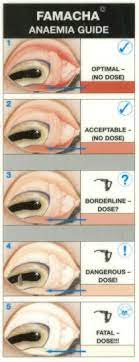
5. I also check the colour of the alpaca’s mucous membranes, particularly the gums and inside the lower eyelids. Healthy alpacas should have pink mucous membranes. Pale or white mucous membranes can indicate anaemia. Detecting anaemia in alpacas involves a combination of visual observation, physical examination, and laboratory testing. Anaemia in alpacas can be caused by various factors, including nutritional deficiencies, parasitic infestations, or underlying health conditions. If anaemia is suspected or confirmed, I would consult with a veterinarian for a thorough examination and diagnostic testing as there can be many causes of anaemia.
Regular eye checks form an integral part of the overall husbandry routine, contributing to the early detection and prevention of potential health issues, and helping to maintain a happy and thriving alpaca herd. When done gently and calmly, these checks (also known on our farm as cuddles) contribute to building trust between the alpacas and their carer. This trust is beneficial not only for health checks but also for general handling and care activities.
Don not fortget to subscribe to access the next issue.
 Kestle Alpacas